About Course
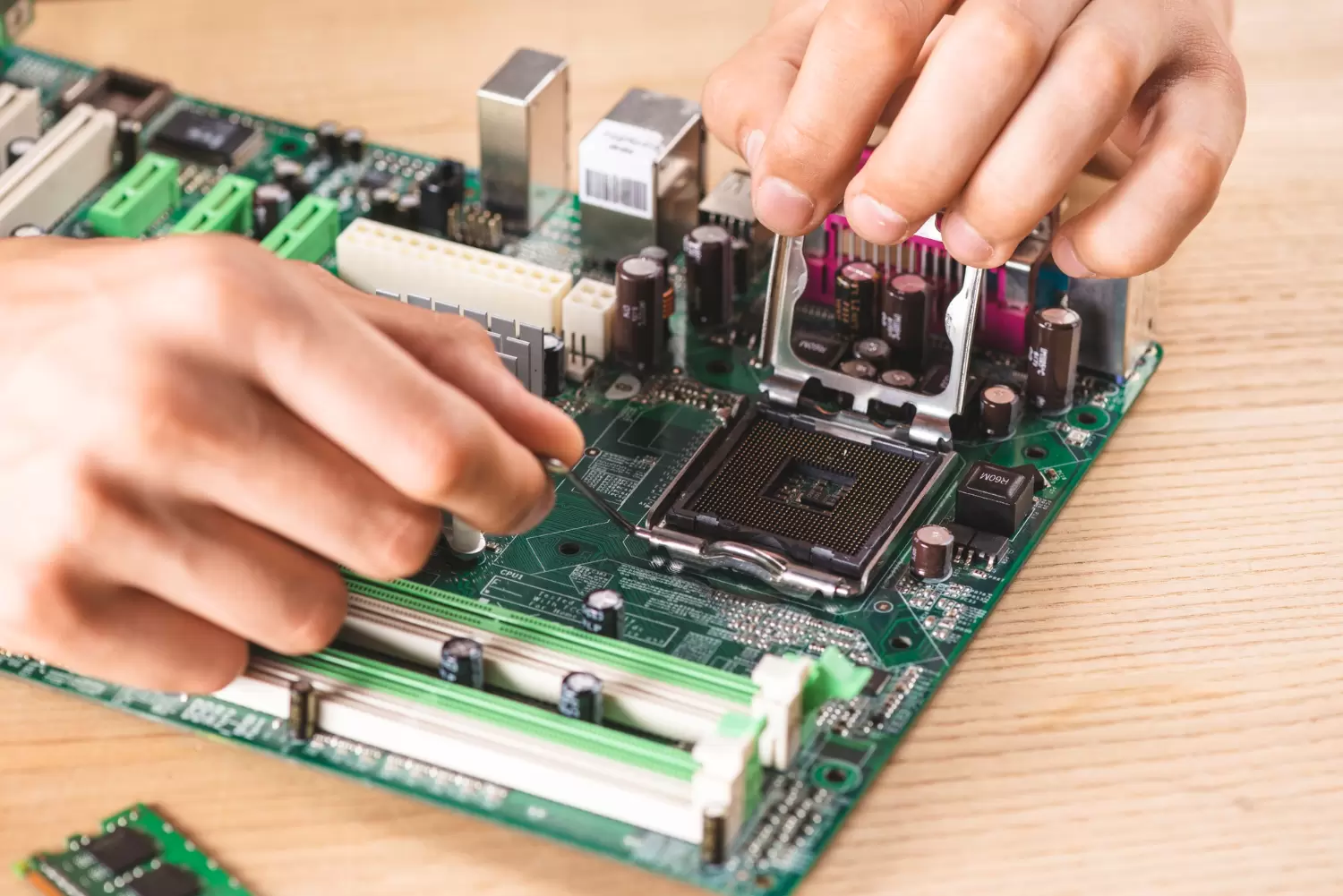
A Diploma in Computer Hardware is a vocational program designed to provide students with the essential skills and knowledge required to work with computer hardware components. The course focuses on the installation, maintenance, and troubleshooting of various hardware devices and systems.
Course Id: DCH/Q1001.
Eligibility: Completion of 10th Grade (high School) or equivalent.
Objective: A Diploma in Computer Hardware equips you with the necessary skills to work in computer hardware installation, maintenance, and troubleshooting. The course provides valuable hands-on experience and theoretical knowledge required for various roles in the IT industry, making it an excellent choice for those interested in pursuing a career in computer hardware and technical support.
Duration: 370 Hrs (Equivalent to One Year).
Total Credits: 18.
Benefits of Certification:
- Government Authorized Assessment Agency Certification.
- Certificate Valid for Lifetime.
- Lifetime Verification of Certificate.
- Free Job Assistance as per your Interest Area.
Career Options for Graduates:
1. Hardware Engineer
- Responsibilities: Hardware engineers are responsible for designing, developing, and testing computer hardware components like processors, memory devices, and circuit boards. They ensure that hardware systems work efficiently and are compatible with software.
- Key Skills: Circuit design, hardware troubleshooting, embedded systems, PCB design, hardware maintenance.
- Industry: IT companies, hardware manufacturers, electronics firms, telecommunications.
2. Computer Technician/Hardware Technician
- Responsibilities: Computer technicians are responsible for assembling, repairing, and upgrading computer hardware. They also diagnose and fix hardware issues, ensuring proper functionality.
- Key Skills: PC assembly, hardware installation, troubleshooting, knowledge of peripheral devices, operating systems installation.
- Industry: IT services, repair shops, tech support, retail stores, hardware distribution.
3. Network Technician
- Responsibilities: Network technicians install and maintain network systems. They work with various networking hardware like routers, switches, and servers to ensure smooth communication between devices.
- Key Skills: Networking protocols, router/switch configuration, cabling, troubleshooting, hardware configuration.
- Industry: IT companies, telecom companies, network service providers, large organizations with extensive IT infrastructure.
4. Field Service Engineer
- Responsibilities: Field service engineers travel to client locations to install, repair, and maintain computer hardware and network equipment. They ensure that hardware systems are functioning optimally and troubleshoot problems on-site.
- Key Skills: Customer service, hardware diagnostics, troubleshooting, on-site installations, technical support.
- Industry: IT service providers, hardware companies, telecommunications.
5. System Administrator (Hardware Focus)
- Responsibilities: System administrators focus on maintaining computer systems and servers, with a particular emphasis on hardware. They ensure hardware resources like servers, workstations, and peripherals are working correctly.
- Key Skills: System configuration, server maintenance, hardware setup, network management, troubleshooting hardware issues.
- Industry: Large organizations, data centers, cloud service providers, IT consultancies.
6. IT Support Specialist
- Responsibilities: IT support specialists provide assistance with computer hardware and software issues, both remotely and on-site. They may also manage software installations, system updates, and hardware repairs.
- Key Skills: Troubleshooting, customer support, hardware maintenance, software installation, data backup and recovery.
- Industry: Corporate IT departments, IT support firms, educational institutions, government agencies.
7. Electronics Engineer (Specializing in Hardware)
- Responsibilities: Electronics engineers focus on designing and testing electrical components and systems. They work on both consumer electronics and industrial hardware, including designing chips and hardware solutions.
- Key Skills: Circuit board design, electronics testing, microelectronics, embedded systems, PCB design.
- Industry: Electronics manufacturers, research and development (R&D) firms, automotive industry, aerospace.
8. Data Center Technician
- Responsibilities: Data center technicians are responsible for installing, maintaining, and troubleshooting hardware components in data centers, ensuring that servers, storage devices, and networking equipment are functioning properly.
- Key Skills: Data center operations, server maintenance, hardware troubleshooting, rack management.
- Industry: Data centers, cloud computing companies, large-scale IT service providers.
9. PC Assembler
- Responsibilities: PC assemblers build and configure custom-built desktop computers, ensuring that all hardware components are compatible and functional. They may also test systems before delivery.
- Key Skills: Computer hardware knowledge, troubleshooting, system assembly, cable management, testing hardware.
- Industry: Computer hardware retail, custom PC builders, gaming companies.
10. Embedded Systems Engineer
- Responsibilities: Embedded systems engineers design and develop embedded systems that combine hardware and software for specialized tasks. They often work with devices like microcontrollers and sensors.
- Key Skills: Microcontroller programming, circuit design, embedded software development, hardware testing.
- Industry: Automotive, healthcare devices, robotics, consumer electronics.
11. Technical Support Engineer (Hardware Focus)
- Responsibilities: Technical support engineers provide assistance with hardware issues, including troubleshooting hardware failures, replacing components, and offering solutions for hardware-related problems.
- Key Skills: Problem-solving, hardware diagnostics, troubleshooting, customer support, knowledge of hardware systems.
- Industry: IT support companies, hardware manufacturers, retail chains, service centers.
12. Hardware Sales Representative
- Responsibilities: Hardware sales representatives promote and sell computer hardware and networking products to businesses and consumers. They educate clients on the specifications and capabilities of various hardware components.
- Key Skills: Sales skills, product knowledge, negotiation, customer relations, technical knowledge of hardware.
- Industry: Hardware retailers, IT distributors, tech product manufacturers.
13. Security Systems Technician
- Responsibilities: Security systems technicians install and maintain physical security devices such as CCTV cameras, alarm systems, and access control systems, which rely heavily on computer hardware and network configurations.
- Key Skills: Security system installation, hardware configuration, troubleshooting, cabling, network security.
- Industry: Security companies, retail chains, government institutions, corporate offices.
14. Hardware Consultant
- Responsibilities: Hardware consultants analyze business needs and recommend hardware solutions for companies. They advise on server setups, hardware requirements, and upgrades to ensure systems meet organizational demands.
- Key Skills: Hardware design, system analysis, troubleshooting, IT consultancy, technical sales.
- Industry: IT consultancies, hardware vendors, tech startups.
Industries for Graduates:
Graduates of the Diploma in Computer Hardware program can find opportunities in various industries, including:
- IT Services and Support: Providing technical support and hardware maintenance for businesses and consumers.
- Hardware Manufacturing: Designing and developing computer hardware components for manufacturers.
- Telecommunications: Maintaining and troubleshooting network hardware for service providers.
- Electronics: Working with embedded systems and consumer electronics companies.
- Data Centers: Installing, maintaining, and troubleshooting hardware for data storage and processing.
- Gaming & Entertainment: Assembling and configuring hardware for gaming consoles and VR systems.
Salary Ranges:
Salaries can vary depending on role, experience, and location. Below is the approximate salary range in Nepal:
-
Entry-Level (0–2 years): NPR 4 lakh – 6.4 lakh per annum
(For roles like Computer Technician, IT Support Specialist, Field Service Engineer)
-
Mid-Level (2–5 years): NPR 6.4 lakh – 11.2 lakh per annum
(For roles like Hardware Engineer, Network Technician, System Administrator)
-
Senior-Level (5+ years): NPR 11.2 lakh – 19.2 lakh per annum
(For roles like Embedded Systems Engineer, Data Center Technician, Electronics Engineer)
International Salary Range (US)
- Entry-Level: $40,000 – $50,000 per annum
- Mid-Level: $50,000 – $80,000 per annum
- Senior-Level: $80,000 – $120,000 per annum